

Understanding the basics of ecommerce and how to choose the right platform for your online store.
Ecommerce, short for electronic commerce, is the buying and selling of products or services online. Whether someone is ordering clothing, booking a service or purchasing a subscription, they are engaging in ecommerce.
For businesses, ecommerce means operating an online store that allows customers to browse, buy and manage orders directly through a website. It enables 24/7 sales, a wider reach, and an efficient way to manage stock, payments and shipping, all without the overheads of a physical shop.
Ecommerce works by connecting an online storefront to a secure payment system and an order fulfilment process. When a customer places an order, the website processes the payment, confirms the sale, and triggers the steps needed to deliver the product or service.
A typical ecommerce transaction follows five steps:
Behind the scenes, an ecommerce platform ties these steps together, managing your product catalogue, payments, inventory and customer data in one place.
Customers choose online shopping mainly for its convenience: they can buy what they want, whenever they want, from any device. A well-built ecommerce site makes that experience fast, clear and reassuring.
Customers value being able to:
Meeting these expectations is exactly why good design and performance matter. A slow or confusing store loses sales, however strong the product.
There are several types of ecommerce, defined by who is buying and who is selling. Understanding which model fits your business helps you choose the right platform and design the right customer experience.
The main types of ecommerce are:
Customers choose online shopping mainly for its convenience: they can buy what they want, whenever they want, from any device. A well-built ecommerce site makes that experience fast, clear and reassuring.
Customers value being able to:
Your Business Requirements
Your Platform Requirements
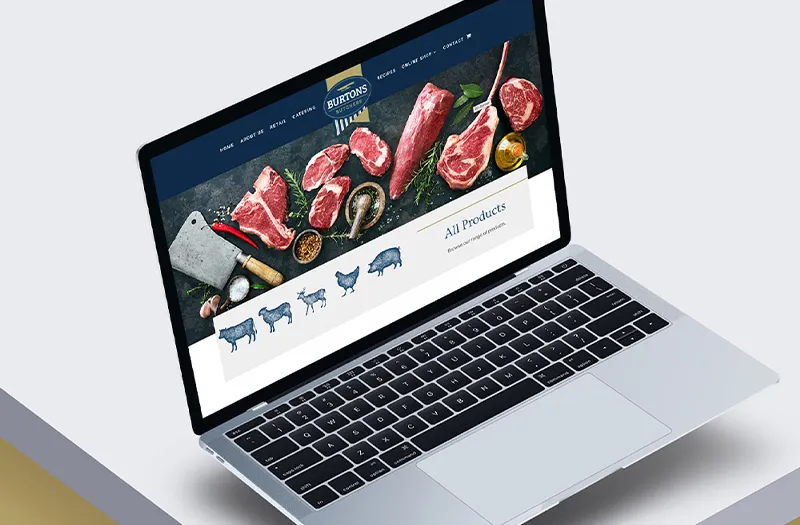
The right ecommerce platform depends on your goals, budget, product range and how much control you want over your site. There is no single “best” platform, only the best fit for your business.
Popular options include:
At Identity Creative, we help businesses build ecommerce websites that not only look great but work seamlessly behind the scenes. Whether you’re launching your first store or refreshing an existing one, we offer support from planning through to launch and beyond.
We help with:
For example, we worked with Glassworks International to create a responsive, easy-to-manage ecommerce site that reflects their brand and makes online ordering simple for customers. Projects like this show how the right tools and approach can transform an online store.
Your ecommerce website is more than just a shop. It is your brand’s online home and a key part of your business strategy.
If you need help choosing the right platform or want a professional team to build your store, we’re here to help.
Contact us to discuss your ecommerce project, or explore our website design services to see how we work.
Before choosing a platform, get clear on what you’re selling and where you’re heading:
Then weigh up what you need the platform itself to do:
Whether you’re just starting out or ready to grow further, Identity Creative is here to support you with all your creative and technical needs.
The cost of an ecommerce website varies widely depending on the platform, the number of products, and the level of custom design and functionality. A simple store on Shopify or WooCommerce can be relatively affordable, while a custom-built site with complex integrations is a larger investment. The best approach is to get a quote based on your specific requirements.
For most small businesses, Shopify and WooCommerce are the strongest options. Shopify is best if you want a quick, low-maintenance setup, while WooCommerce suits businesses that want more control and flexibility at a lower ongoing cost.
Not always. You can sell through marketplaces like eBay, Etsy or Amazon without your own website. However, a dedicated ecommerce website gives you full control over your brand, customer data and profit margins, and looks far more professional over the long term.
Yes, ecommerce is secure when your site uses an SSL certificate, a trusted payment gateway and up-to-date software. These protect customer data and payment details, and reassure shoppers that it’s safe to buy from you.
A straightforward ecommerce site can take a few weeks, while a larger, custom store with integrations may take several months. The timeline depends on the number of products, the design complexity and how quickly content and assets are supplied.